Queen Grafting Season is Here - Queens Available for Local Pickup
Queen Grafting Season is Here - Queens Available for Local Pickup
We’re in the thick of queen grafting season here at Chuck’s Honeybees! Our hives are showing strong brood patterns, and we’re actively grafting queens to expand our apiaries and help local beekeepers get the genetics they need.
What We’re Doing
Our grafting program focuses on selecting the best genetics from our healthiest colonies. We’re grafting lots of queens to:
How I Chose My 2026 VSH Breeder Queen - Zone 9b
How I Chose My 2026 VSH Breeder Queen - Zone 9b
First Queen Grafting Day of the 2026 Season!
First Queen Grafting Day of the 2026 Season!
What a way to start the weekend! Today marks the first queen grafting day here at Chuck’s Honeybees in Old Ortega, Jacksonville. After building and sharing the cell starter setup yesterday on YouTube, I’m diving right into selecting the best larvae from my strongest hives.
2026 Queen Cell Starter Configuration - Setting Up for Grafting
2026 Queen Cell Starter Configuration - Setting Up for Grafting
Speaking at Riverside Rotary Club: The World of Beekeeping
I am honored to have been invited to speak at the Riverside Rotary Club tomorrow morning, February 4th.
As a Master Beekeeper, I am always excited to share the fascinating world of honeybees with our local community leaders. We’ll be diving into the importance of pollinators, the challenges bees face in North Florida, and what it takes to maintain healthy apiaries in Jacksonville.
Event Details:
- When: Wednesday, February 4th, 2026
- Time: 7:30 AM
- Where: Timuquana Country Club
If you’re a member of the Riverside Rotary or attending as a guest, I look forward to seeing you there and talking bees!
Kicking Off the 2026 Bee Season: January Chores
Beekeeping in Jacksonville, Florida (Hardiness Zone 9b) means our season starts earlier than most. While much of the country is still buried in snow, our bees are already sensing the coming spring and the early hints of the maple bloom.
In my first video of 2026, I walk through the essential January chores that set the foundation for a successful year.
Getting Ahead of the Curve
January is all about readiness. In this update, I cover:
Swarm Season in Full Swing
2025 Swarm Season in Full Swing
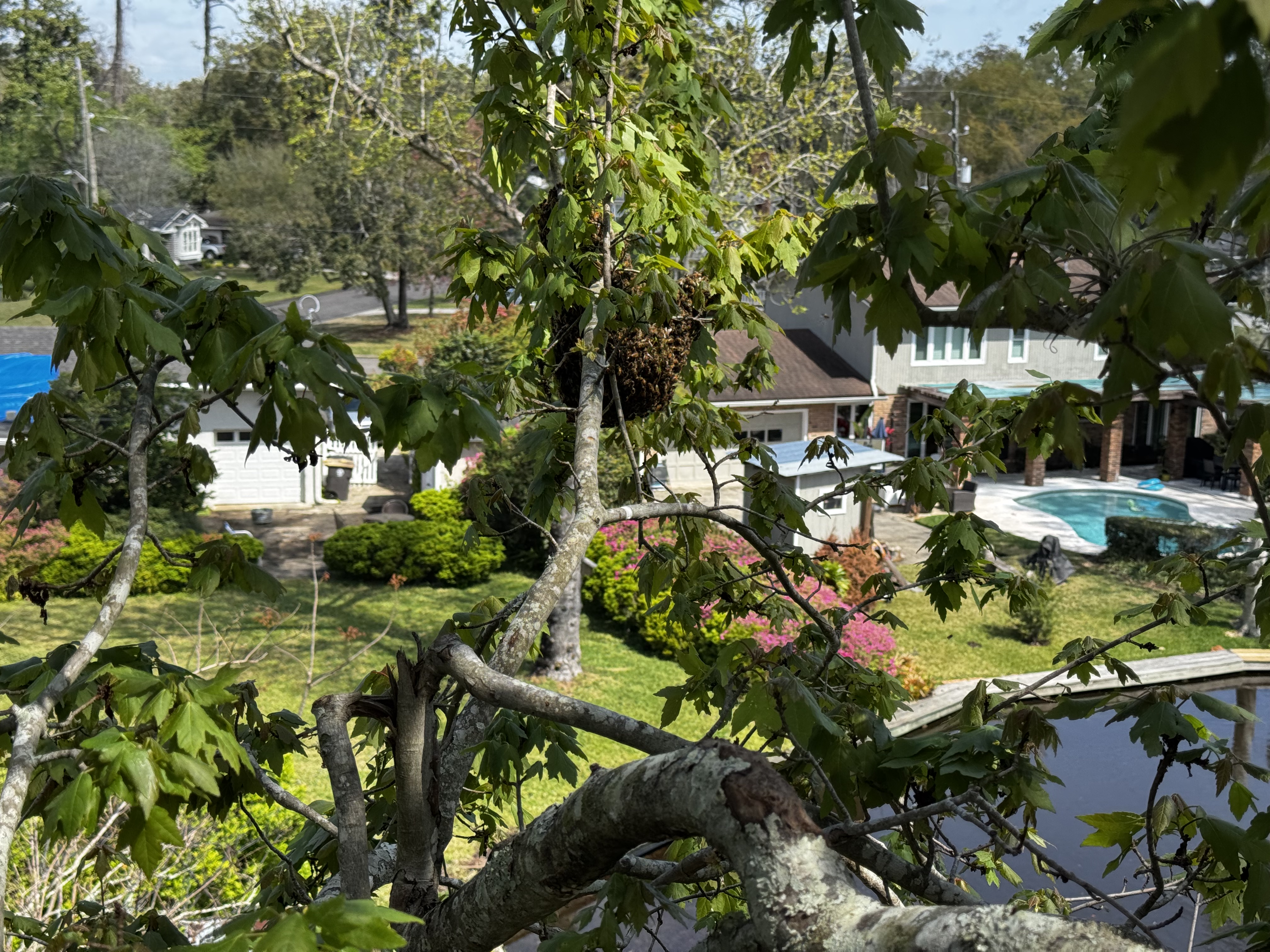
One of my hives, which was in the process of re-queening, had an abundance of swarm cells. As a result, it sent off multiple swarms, each led by a newly hatched virgin queen. One of these swarms settled in a nearby maple tree.
Time for a Tree Climb
I happen to have quite a bit of experience with tree climbing and a good amount of climbing gear. It’s always fun for me to don the harness, set a line, and climb a tree, especially when the goal is to retrieve a swarm. Not every situation works out as well as this one did.
100% Queen Cell Success on First Round
100% Queen Cell Success
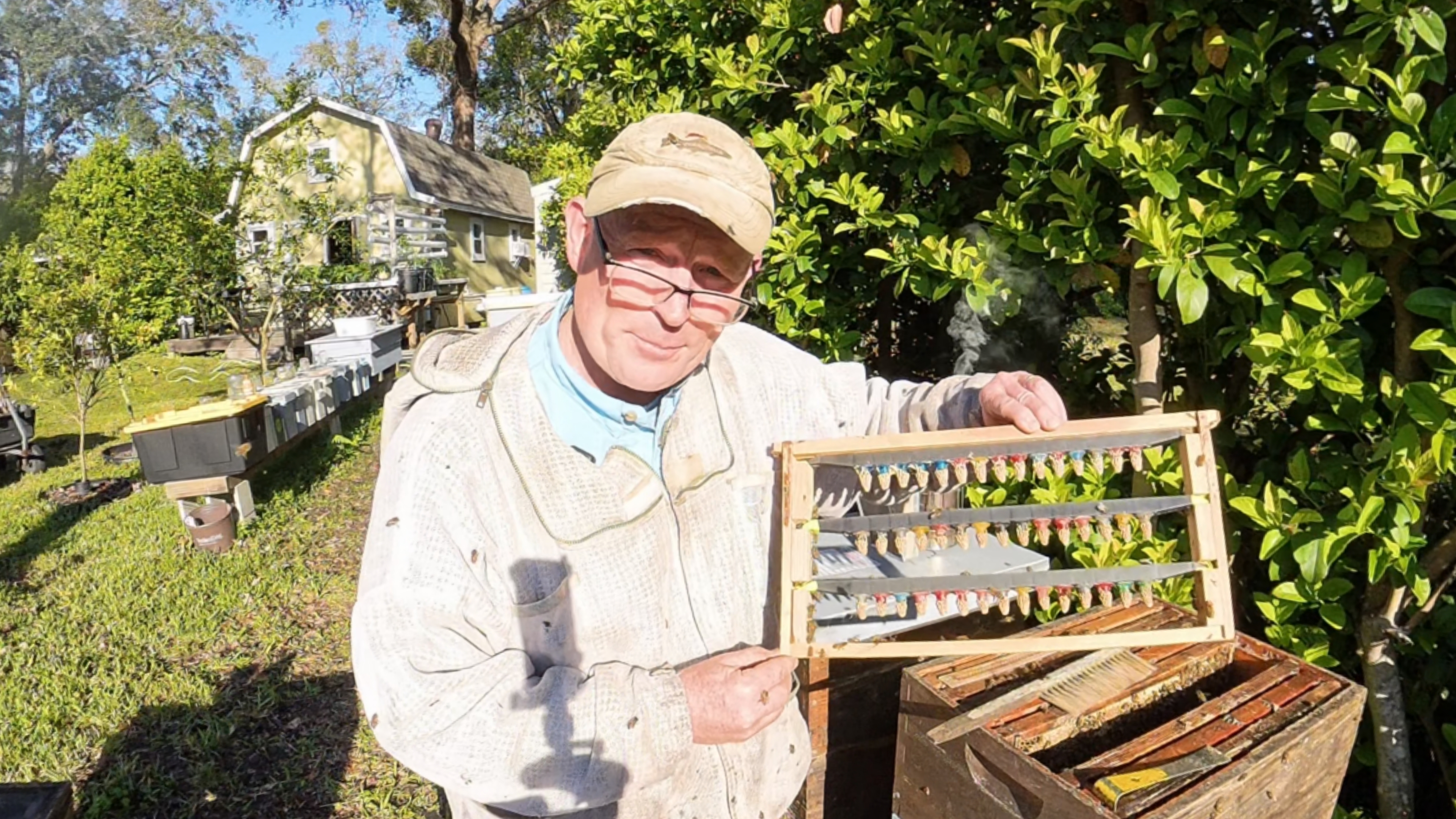
2025 Honeybee Queen Rearing is off to a good start! I am proud of my 100% success rate in my first round of queen cell production! I have 45 queen cells successfully producted, and in the incubator waiting to go into splits tomorrow.
The Perfect Setup
I am certain this success was due to the strong cell starter colongy I used, and the right colony conditions:
Amazing Honeybee Facts
Ever wondered about the incredible world of honeybees? Here’s a collection of fascinating facts that showcase just how remarkable these industrious insects truly are.
The Mathematics of Honey Production
The numbers behind honey production are simply staggering:
- It takes 2 million flower visits to make just one pound of honey
- A single honey bee visits 1,500 flowers to gather one load of pollen
- Bees from a single hive fly over 55,000 miles to produce one pound of honey
- A worker bee covers approximately 12 square miles to collect a load of pollen
- In her entire lifetime, a worker bee produces only 1/12 teaspoon of honey
- A typical load of pollen weighs about 10 mg
- To produce 1 kg of beeswax, bees must consume 18 kg of honey (that’s almost 40 lbs!)
- It takes about one tonne of honey to gather approximately 20 lbs (9 kg) of beeswax
- Each tiny wax flake is no larger than a pin head, and it takes 500,000 flakes to make one pound
Bee Biology and Behavior
Some fascinating facts about honeybee capabilities and behavior:
Welcome to Our Blog
Welcome to the Chuck’s Honeybees blog! Here, we’ll be sharing our beekeeping journey, tips for fellow beekeepers, and fascinating insights into the world of honeybees.
What to Expect
In this blog, we’ll cover various topics including:
- Beekeeping tips and best practices
- Seasonal updates from our apiaries
- Honey harvesting and processing techniques
- Local flora and its impact on honey production
- Swarm catching adventures
Stay Connected
Make sure to check back regularly for new posts. We’ll be updating this blog with fresh content about our beekeeping experiences and valuable information for both beekeepers and bee enthusiasts.